UGBS TeProD Innovation Challenge Crowns Top Three Teams in Twin Transition Pitch
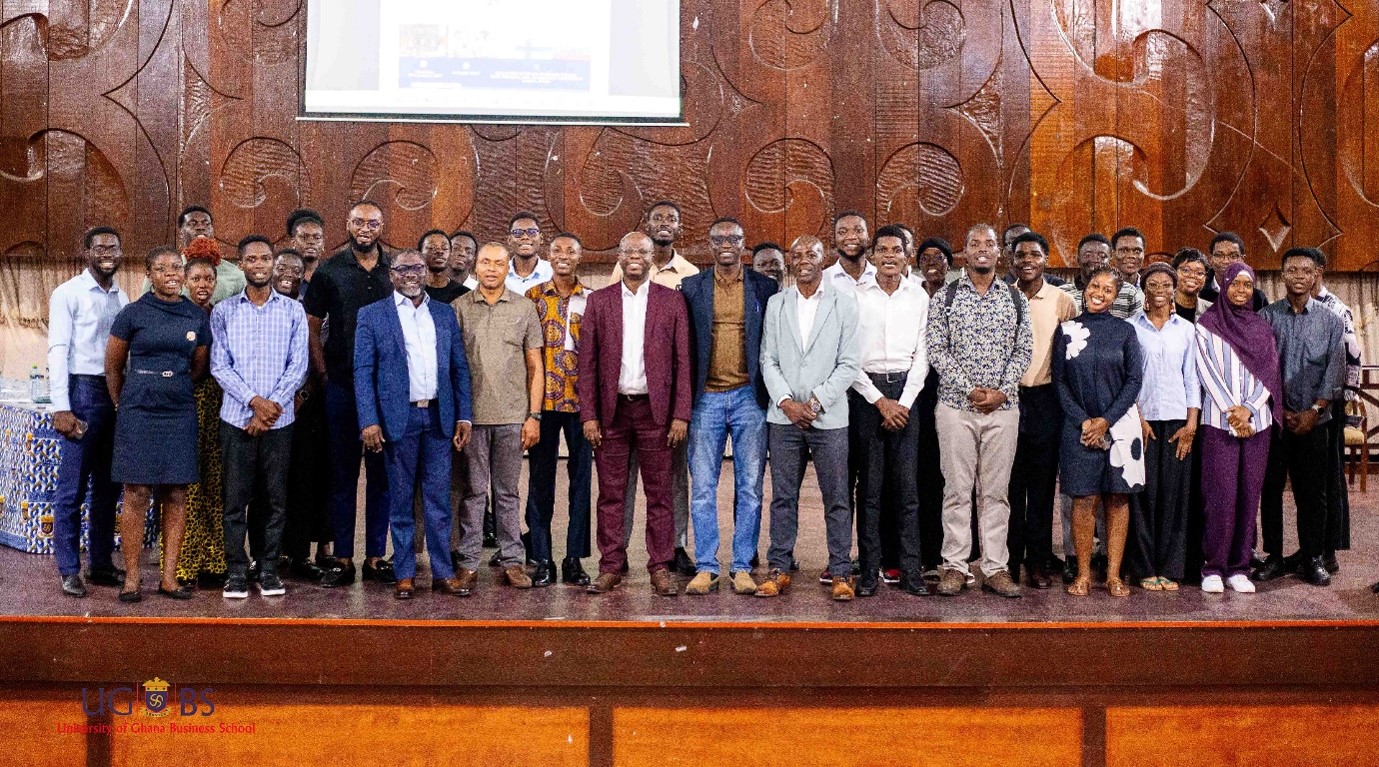
The University of Ghana Business School (UGBS), through the Teachers and Students Professional Development (TeProD) project, has held the final pitch presentation of its Innovation Challenge, with Team CarbonIQ emerging as the overall winner. The final pitch, held on 27th August 2026, at the R. S. Amegashie Auditorium, brought together 10 shortlisted teams to present innovative solutions under the theme, “Twin Transition: Innovate with AI and Green Technologies to Transform our Economy.” The session was moderated by Dr. Abeeku Sam Edu, who explained that the TeProD project is being implemented through a consortium of international and local partners, including institutions in Finland, Slovakia, Namibia and Ghana. The University of Education, Winneba, is also part of the consortium, with similar activities taking place across partner institutions. The experience will provide the winning teams with an opportunity to take their innovations beyond the competition and engage with international partners through presentations and specialised training in AI and green sustainability in Europe. TeProD Innovation Challenge.
Dr. Abeeku Sam Edu explained that the TeProD project seeks to equip teachers and students with knowledge and skills in Artificial Intelligence (AI) and green sustainability, with a focus on preparing young people to effectively harness digital technologies while promoting environmental sustainability. He noted that the Innovation Challenge was designed to identify young Ghanaian innovators capable of developing solutions that respond to emerging economic, technological and environmental challenges. He added that the concept of the twin transition brings together the digital and green transitions, requiring society to explore how emerging technologies such as AI, blockchain and cloud computing can be applied effectively without compromising environmental sustainability. According to him, the participating teams had been tasked over several weeks to develop and demonstrate innovative ideas capable of addressing real challenges within Ghana and the broader sub-Saharan African context. “This morning each team has been tasked over the past few weeks to develop an idea. Not just to come and talk about the idea, but to demonstrate it in a manner that can help us solve an emerging issue within our country,” he said. Dr. Edu disclosed that 53 teams applied for the Innovation Challenge, out of which 10 of the best ideas were shortlisted to compete in the final pitch. He encouraged all 10 finalists to be confident in their abilities, noting that their selection among the 53 applicants was itself an achievement.
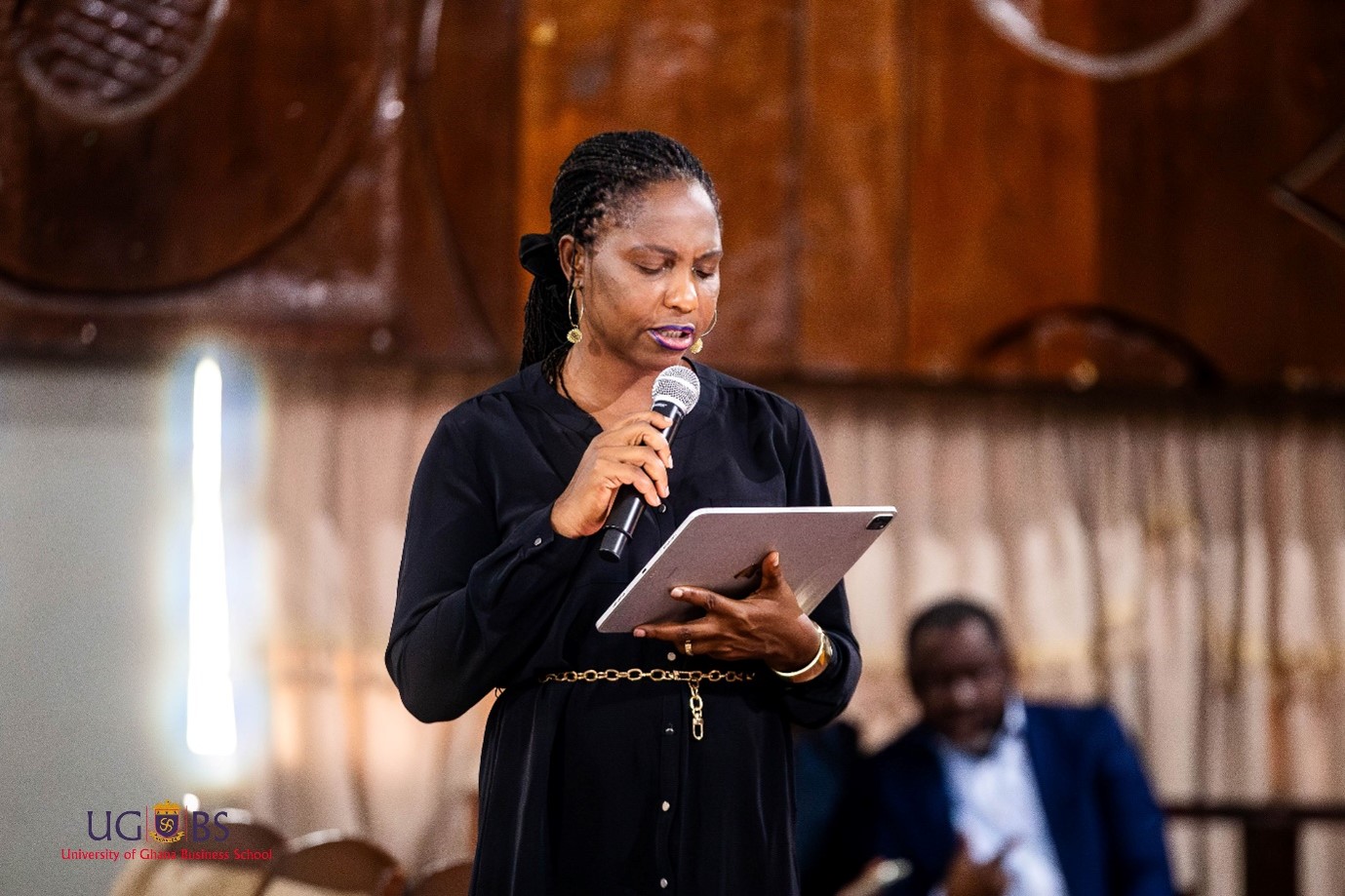
Prof. Vera Ogeh Fiador delivery the keynote address at the TeProD Innovation Challenge
Delivering a keynote address on behalf of the Dean of UGBS, Prof. Ernest Yaw Tweneboah-Koduah, Prof. Vera Ogeh Fiador described the final pitch as more than the conclusion of a competition, but an important learning experience that reflects the kind of education universities must increasingly provide in response to technological and environmental changes. Prof. Fiador explained that the digital transition is being accelerated by developments in AI, data analytics, automation and other rapidly evolving technologies, while the green transition is driven by the need to build economies that are environmentally sustainable, climate resilient and resource efficient. She noted that the two transitions are increasingly interconnected and present opportunities for innovative solutions to pressing development challenges.
According to her, AI has the potential to support areas such as energy consumption, agricultural productivity, transportation, waste management, financial inclusion and the management of scarce resources. At the same time, green technologies are creating new industries, professions, businesses and investment opportunities. She therefore challenged students to look beyond simply acquiring knowledge about emerging technologies and focus on how such technologies can be applied to solve real problems and create sustainable economic and social value. “Our students must leave university with the capacity to identify problems, interrogate assumptions, work across disciplines, develop solutions, test ideas, and communicate those ideas convincingly to others,” she said. Prof. Fiador added that innovation challenges such as the TeProD initiative transform students from passive recipients of knowledge into active creators of solutions. She observed that the journey to the final pitch had already provided significant value to the participating teams, irrespective of which teams eventually emerged as winners. The students, she said, had gained experience in identifying opportunities, working collaboratively, thinking creatively, engaging with technology, considering sustainability and translating ideas into propositions capable of creating value.
She further noted that the growing capabilities of AI were changing the skills expected of university graduates, as routine analytical and administrative tasks could increasingly be performed by intelligent systems. The premium, she said, would increasingly be placed on graduates’ ability to apply knowledge, ask the right questions, exercise human judgement, innovate responsibly, work across disciplines and cultures, and transform ideas into viable business or social solutions. She encouraged young people to see themselves not only as users and consumers of technologies developed elsewhere, but also as creators, innovators and entrepreneurs capable of developing solutions “for Africa, from Africa and for Africa and ultimately for the world.” Prof. Fiador commended the European Union for supporting the initiative and acknowledged the project partners for their contribution to the programme.
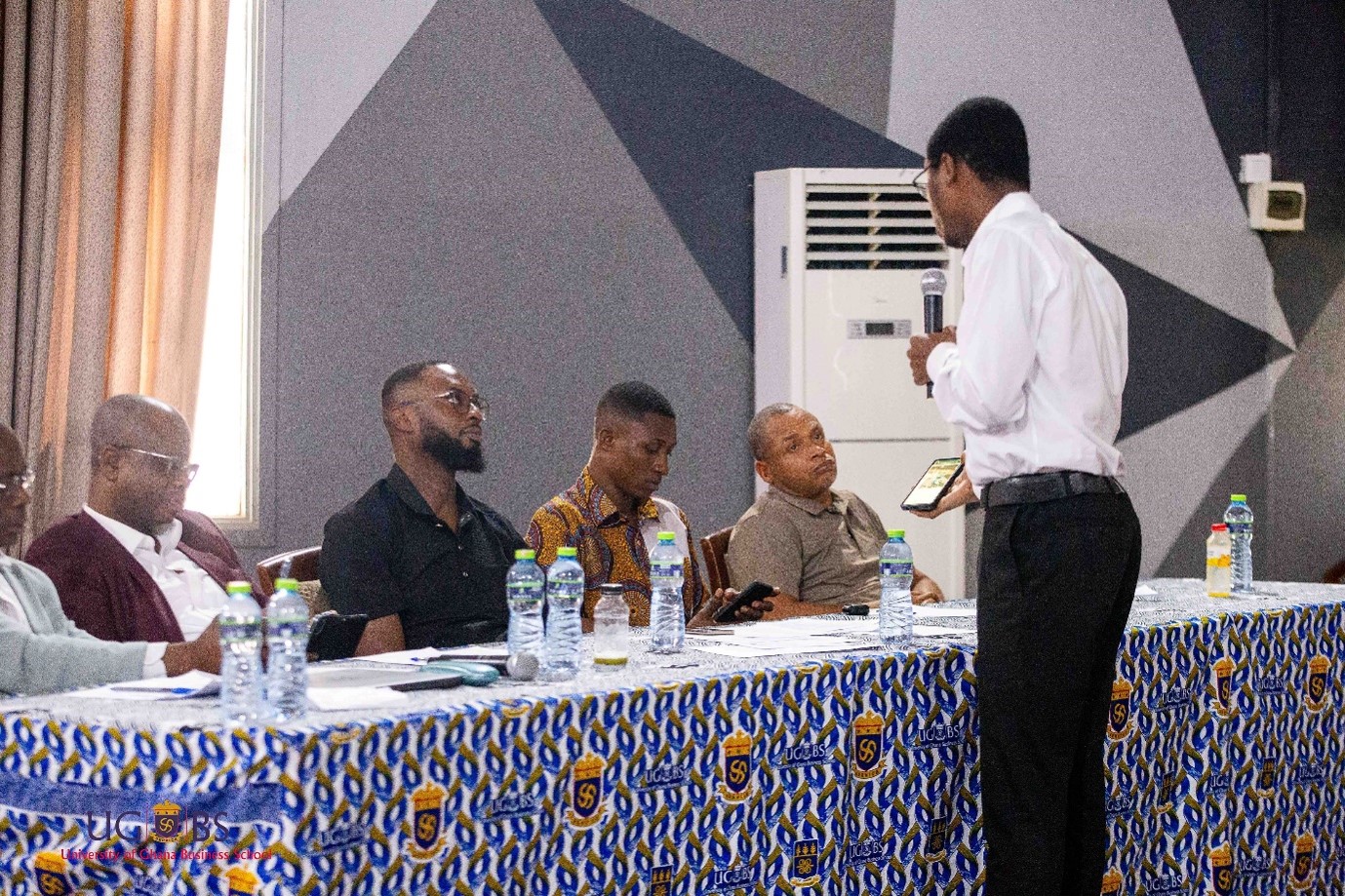
A participant showcasing his team’s pilot project
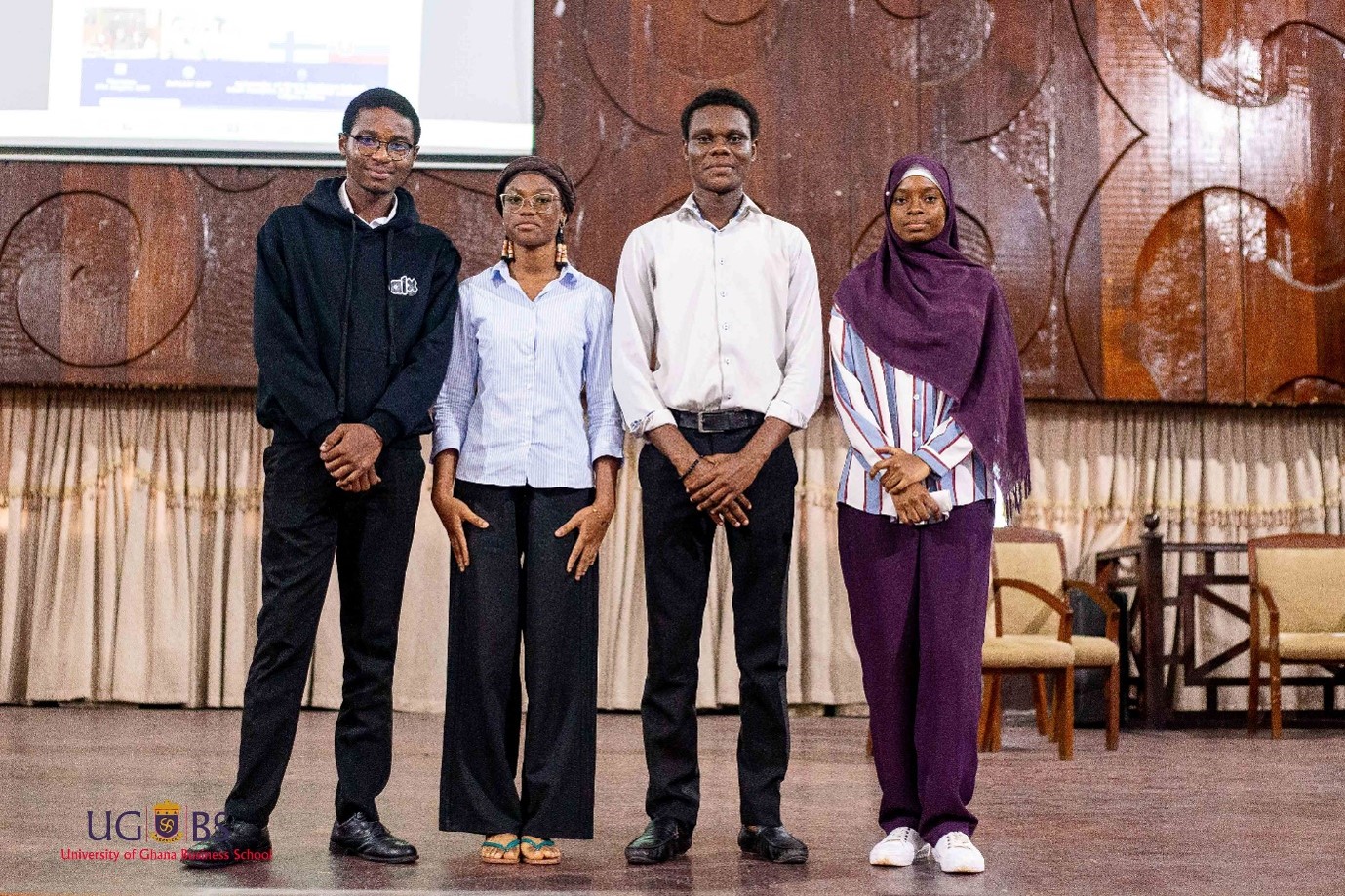
Following the final presentations, Team CarbonIQ emerged as the overall winner, with GreenProof placing second and EcoCycle taking third place. The teams were assessed based on five key criteria: innovation and originality; impact and sustainability; scalability; technical soundness; and clarity of presentation. The three winning teams will have the opportunity to embark on European trips to present their innovations and participate in training programmes focused on AI and green sustainability at Haaga-Helia University of Applied Sciences in Finland and Technical University of Košice in Slovakia. The winning team members are expected to prepare their passports and other required travel documents, with support from the TeProD team, ahead of the trips.
Prof. Emmanuel Awuni Kolog congratulated the three winning teams and encouraged the other finalists not to regard their failure to place among the top three as a reflection of the quality of their ideas. He explained that only three teams could be selected as winners despite the quality of the innovations presented. “If you lose, it doesn’t mean your innovative ideas are bad, but because only three need to be selected,” he said. Prof. Kolog assured the remaining teams that further opportunities could be explored for their ideas and innovations and formally declared the winners before wishing them well in their future engagements.
The Winning Teams
Team CarbonIQ is a four-member interdisciplinary team that developed an IoT-based air quality monitoring and carbon coaching platform. The team prototyped the system using affordable equipment that can be mounted in homes and on vehicle exhaust pipes to monitor air quality and carbon emissions. The system is paired with a mobile application featuring “Carbon AI,” an intelligent coach designed to help users identify sources of pollution, recommend cleaner alternatives and assess the impact of changes in their behaviour. The project also incorporates a carbon credit rewards system designed to encourage users to adopt more environmentally sustainable practices. In addition, CarbonIQ has developed a web dashboard intended to provide governments and policymakers with real-time information on pollution patterns. The platform provides hyperlocal air quality data for specific communities within its coverage area. This positions CarbonIQ as a Measurement, Reporting and Verification (MRV) infrastructure for climate action, combining technology, behavioural change and data to support efforts towards cleaner and more sustainable communities.
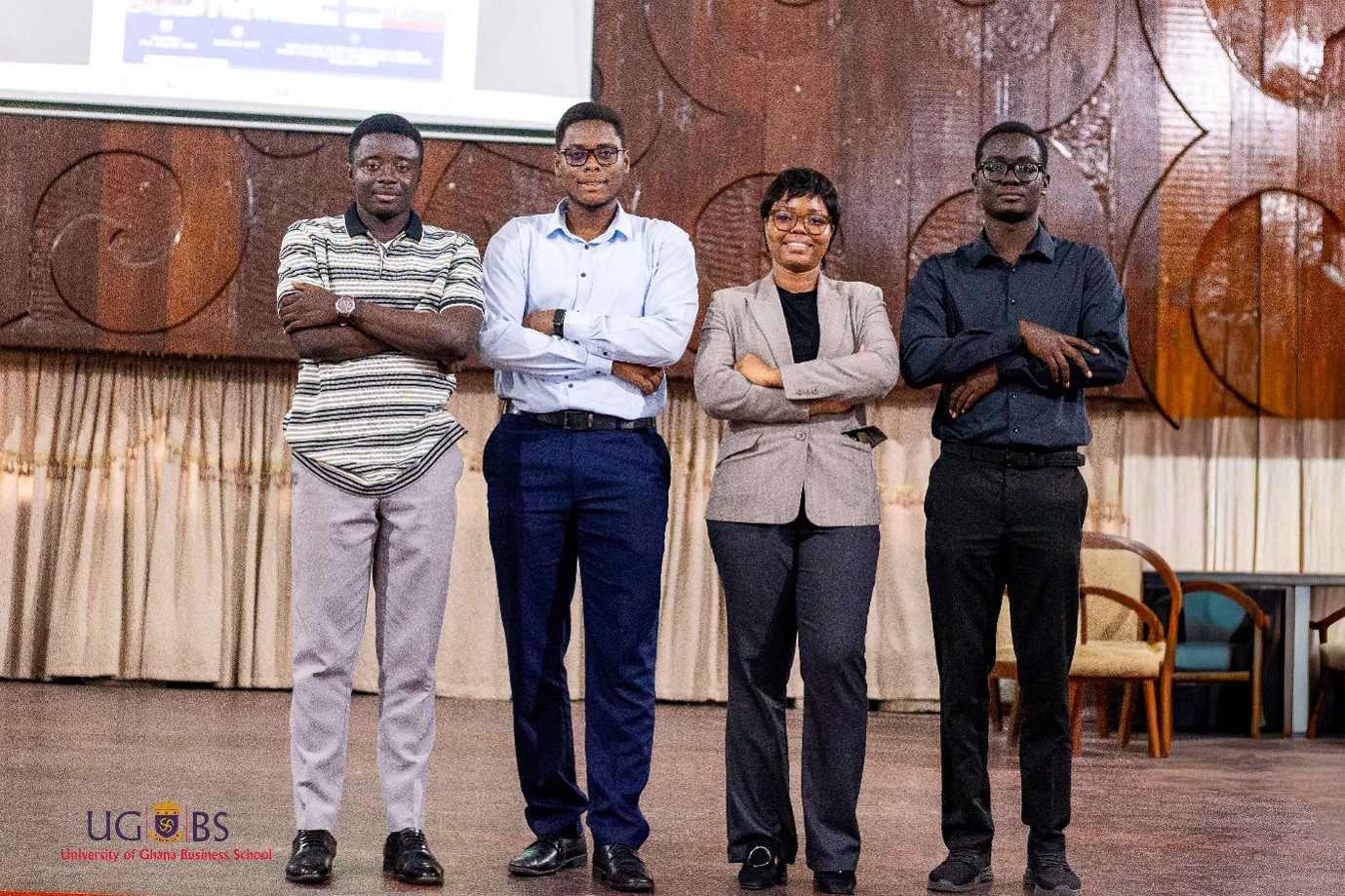
Team CarbonIQ
GreenProof, which placed second, was developed by a team of four students to address a key challenge in tree-planting initiatives: the lack of consistent follow-up and verification after trees are planted. The platform is designed to enable individuals who plant trees to take periodic photographs of the trees. The application records details including the location, direction and time of each visit to help prevent fraudulent claims. A verification system checks each visit against the history of the individual tree. Verified visits earn credits that can either be cashed out through Mobile Money or used to support the planting of another tree. For organisations that fund tree-planting activities, GreenProof provides a live map showing their trees and a photo history for each tree. The team described the system as a way of making sustainability claims more verifiable by providing evidence of the continued existence and growth of planted trees.
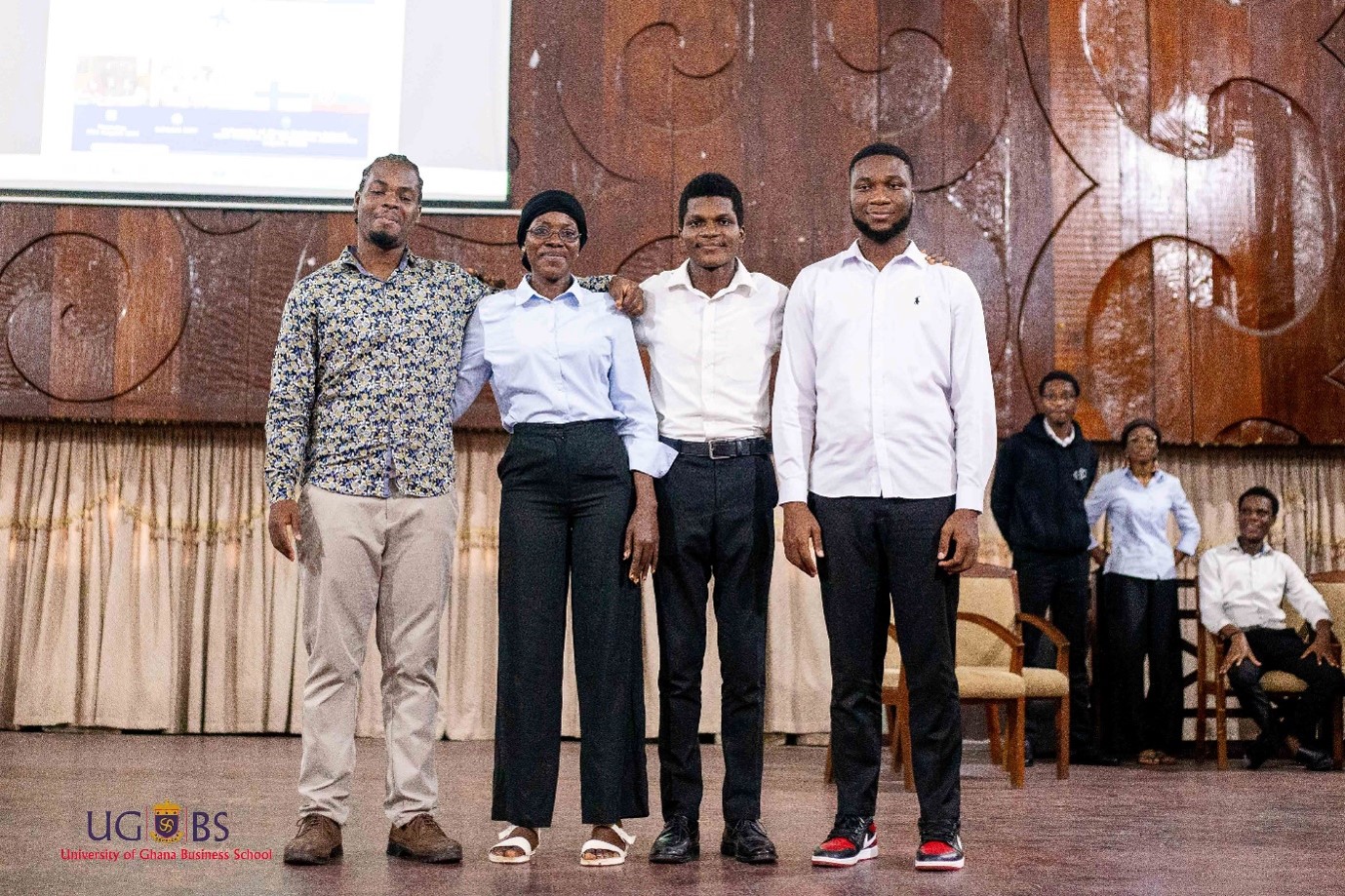
Team GreenProof
EcoCycle, which emerged third, is a team of four first-year students working on an AI-powered recycling platform designed to connect households with local waste collectors. The platform is intended to help users identify recyclable materials, request waste collection services and connect with nearby waste collectors. By making recycling more accessible and convenient, the team seeks to encourage greater participation in recycling while contributing to cleaner and more sustainable communities. The project reflects the broader objective of the Innovation Challenge by applying AI and digital technology to an environmental challenge while creating opportunities for more efficient waste management.