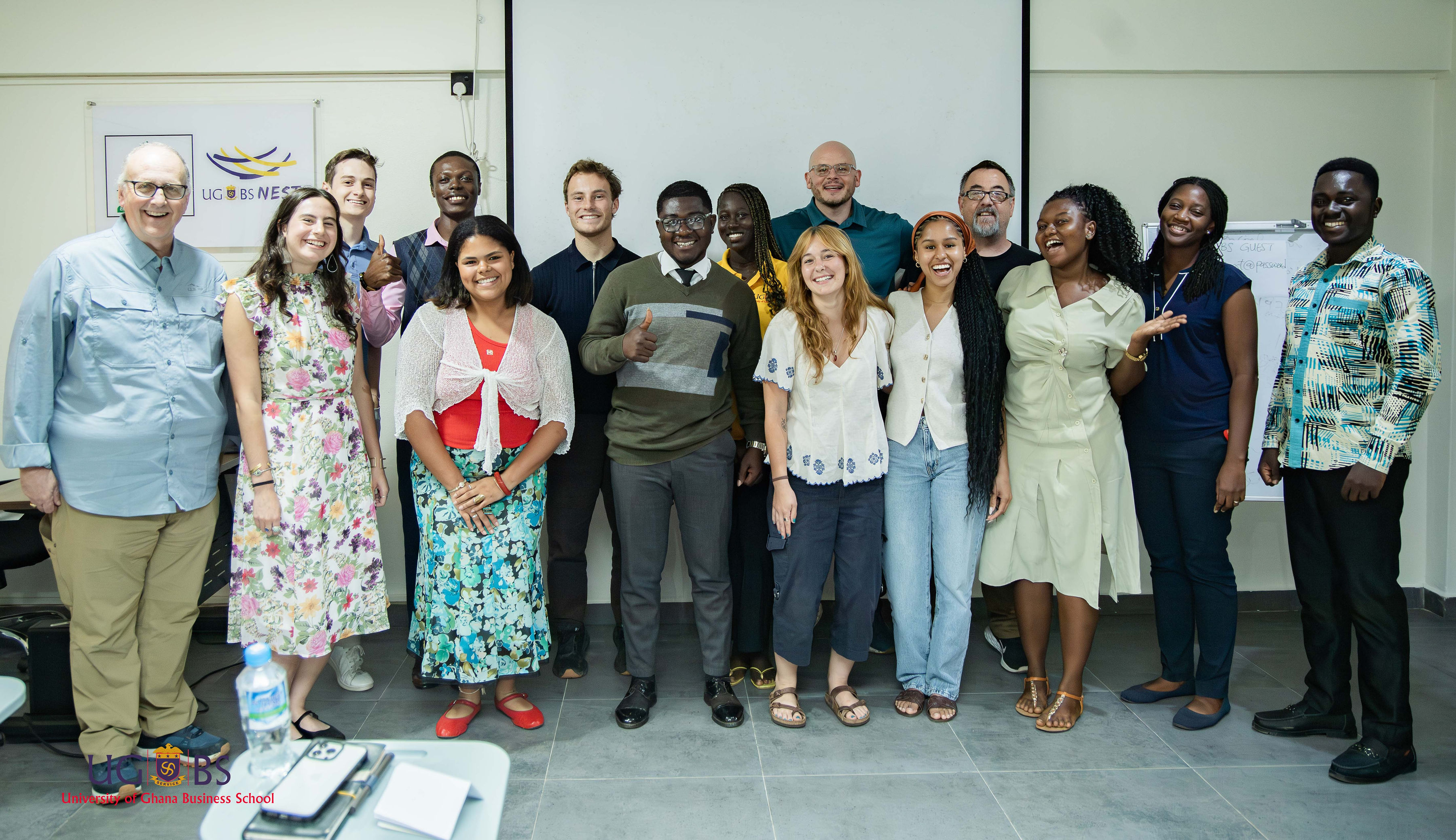
UGBS Hosts Marist University Students and Faculty for Experiential Learning Programme in Ghana
The University of Ghana Business School (UGBS), through its International Relations Unit, hosted a delegation of students and faculty members from Marist University as part of a Spring Attachment and Exchange Programme held from 27th May to 9th June 2026. The delegation included Prof. Gavin Webb- Dean of International Programmes, Prof. Will Lamb- Dean for the School of Management, and Prof. Joe Nixon - Assistant Professor of Strategy. The programme was designed to provide participants with an immersive learning experience on Ghana’s socio-economic, entrepreneurial and cultural landscape while fostering collaboration between students of both institutions. To facilitate knowledge exchange, cultural understanding and networking opportunities, the Marist students were paired with UGBS students throughout the programme.
The programme officially commenced with an orientation session led by Prof. Elikplimi Agbloyor, Coordinator for the UGBS International Relations Unit at the Graduate Building. The session provided the delegation with an overview of University of Ghana and the University of Ghana Business School, while introducing them to the programme support team and outlining key aspects of their stay in Ghana. Prof. Agbloyor guided participants through important cultural considerations, including social norms, cultural dos and don’ts, and practical information to help them adapt to their new environment. He also provided an overview of the programme itinerary, including the academic, entrepreneurial and cultural activities planned throughout their learning period. He further addressed health and safety considerations during their stay in Ghana and introduced participants to basic local (Twi) expressions to support their interaction and engagement within the Ghanaian community. Following the orientation, the delegation embarked on a visit to the Madina Market, where they experienced a vibrant Ghanaian marketplace, interacted with local traders and gained an initial exposure to everyday economic activities and community life in Ghana.
The engagement continued with an interactive session led by Dr. Kafui Tsekpo from the African Leadership Centre. He provided participants with a comprehensive overview of Ghana’s modern political history, exploring the country's ethnic diversity, governance systems, colonial experience, transatlantic slave trade, sources of wealth, economic structures, political and legislative reforms, the emergence of political groups, decolonisation processes and the struggle for independence. Dr. Tsekpo further examined the leadership of Kwame Nkrumah, highlighting major developmental initiatives undertaken during his administration. He also discussed the military era, international revenue structures, successive governments and their key development projects, the evolution of Ghana’s telecommunications and manufacturing sectors, and the country's current economic, social, environmental and political reforms. To deepen their understanding of Ghana’s history and culture, participants embarked on a guided tour of key landmarks in Accra, including the Kwame Nkrumah Memorial Park and Mausoleum, the Accra Arts Centre, Makola Market and Black Star Square. The tour offered valuable insights into Ghana’s heritage while also serving as a recreational experience for participants visiting the country for the first time. Participants also travelled to the Volta Region and Cape Coast, where they toured recreational sites and facilities and experienced traditional Kente weaving.
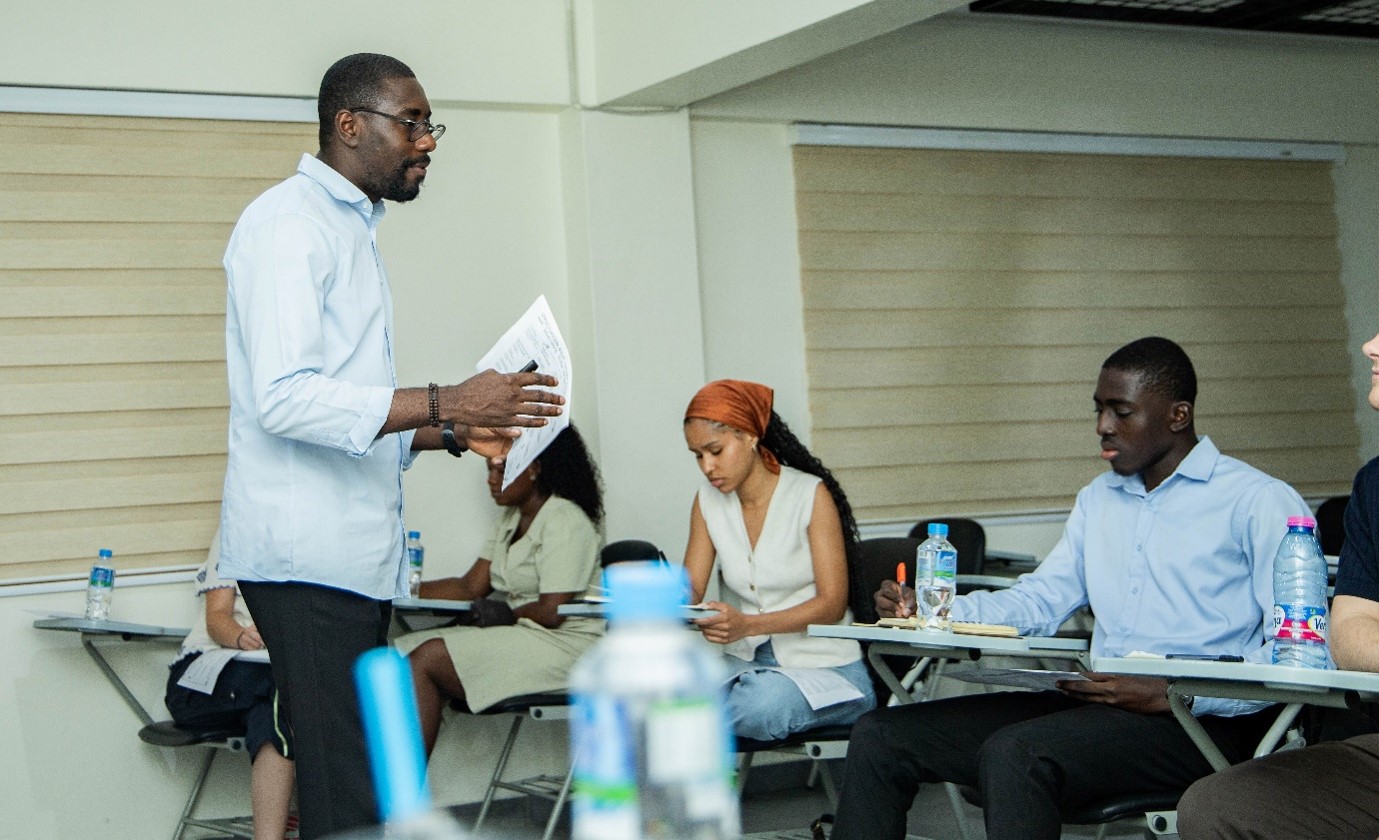
Session with Mr. Jackson Appiagyei, the UGBS Hub Manager
At UGBS, Mr. Jackson Appiagyei- UGBS Hub Manager, led a session on Ghana’s entrepreneurial landscape. He explained the realities of entrepreneurship in Ghana, noting that despite the country's population and a youthful demographic profile, unemployment and underemployment remain significant challenges. He noted that the formal sector is unable to absorb all graduates entering the labour market, making entrepreneurship an important pathway for economic participation. Mr. Appiagyei introduced participants to the concepts of necessity entrepreneurship and opportunity entrepreneurship, explaining that while some individuals establish businesses out of economic necessity, others do so after identifying market opportunities. He also discussed the rapid growth of digital entrepreneurship following the COVID-19 pandemic, the increasing prominence of innovation hubs and startup incubators, and the growing number of pitch competitions that provide entrepreneurs with opportunities to access funding and mentorship.
Participants were encouraged to identify problems within their communities and explore innovative ways of transforming those challenges into viable business opportunities. The session was followed by an Alumni Founder Session during which startup teams supported by the UGBS Innovation and Incubation Hub presented their entrepreneurial journeys, the social problems they are addressing and the role the Hub played in supporting their growth and development. The delegation also toured the UGBS Innovation and Incubation Hub, where they were introduced to the Hub’s incubation programmes, entrepreneurship training workshops, mentorship opportunities and support systems designed to nurture innovative ventures.
Beyond the University, participants engaged with several organisations driving social entrepreneurship and enterprise development across Ghana. At Social Enterprise Ghana, discussions were led by Mr. Charles Obodai Laryea and Mr. Edwin Zu-Cudjoe. The speakers described social enterprises as businesses that seek to address social and environmental challenges while remaining financially sustainable. They explained that Social Enterprise Ghana supports over 1,200 entrepreneurs through partnerships, mentorship and training initiatives. Participants learned about some of the key challenges facing social enterprises in Ghana, including the absence of a dedicated legal framework and limited access to funding, which often compels entrepreneurs to rely on personal savings. The speakers further highlighted the need for entrepreneurs to undertake proper planning, conduct adequate research and utilise available support systems. Discussions also examined the influence of donor agencies on the direction of social enterprise development, particularly in areas related to climate action and sustainability.
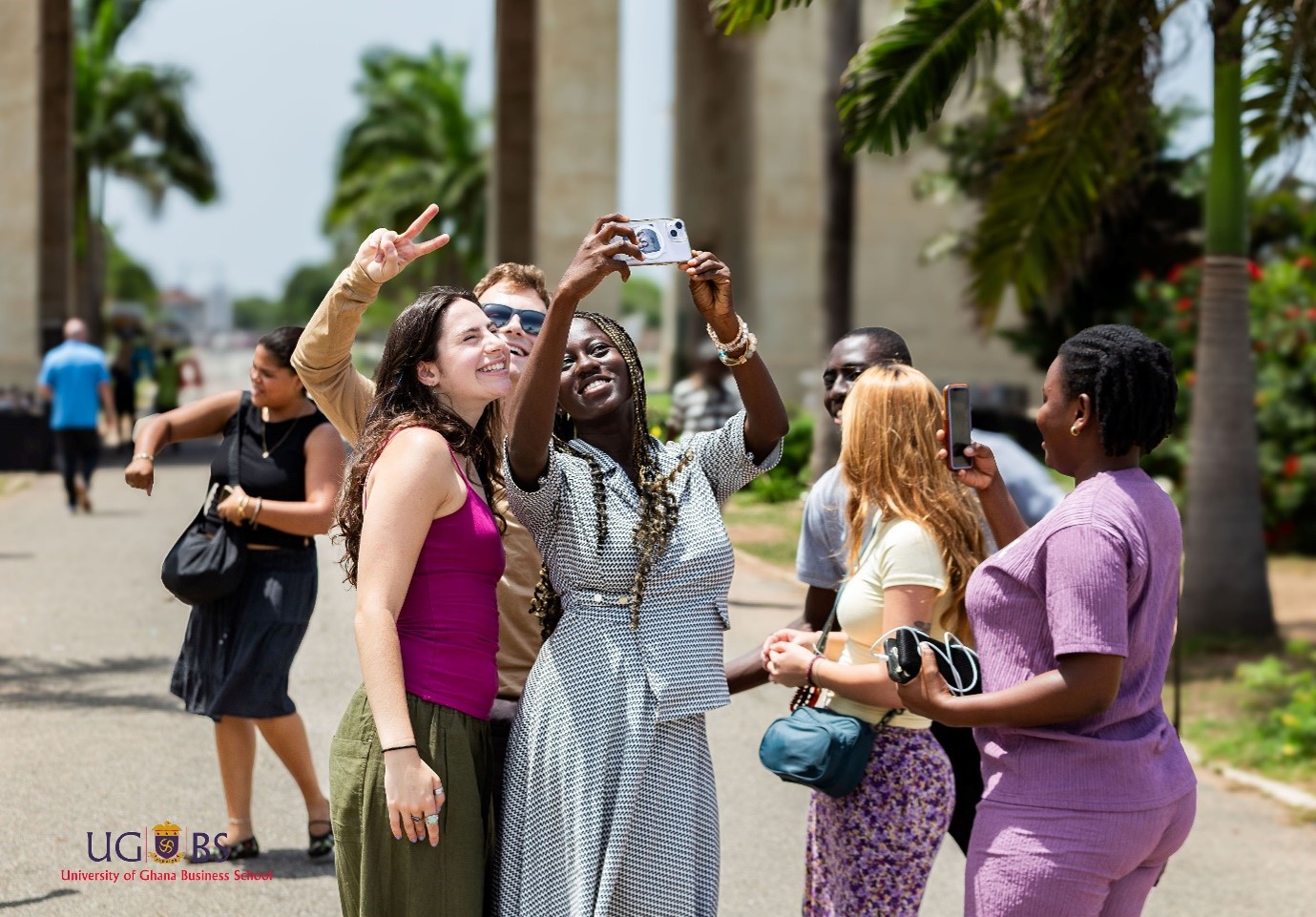
During one of the recreational activities
The delegation subsequently visited Play and Learn Foundation, where Ms. Lutfata Sung Bawiera Issah engaged them on community development and education. She explained that the Foundation operates after-school programmes and collaborates with communities to improve educational outcomes for children. Discussions explored how small businesses in Ghana are survival-oriented and often struggle because personal and business finances are not separated. Participants also explored the growing importance of technology across industries and the increasing role of social enterprises in addressing societal and environmental challenges. Areas such as sustainability, agriculture, education and youth development were identified as sectors with significant entrepreneurial opportunities, provided entrepreneurs receive adequate support, planning and collaboration.
The programme also featured a visit to Meltwater Entrepreneurial School of Technology (MEST). During the visit, Mr. Charles Gyamfi introduced the delegation and outlined the objectives of the visit. Participants learned about MEST’s mission and its three strategic pillars: the AI Startup Programme, the Portfolio Programme comprising incubation and seed funding initiatives, and MESTX. They were also introduced to MEST’s eighteen-year track record in digital skills development and entrepreneurial investment. Interactions with students and facilitators provided participants with first-hand insights into ongoing startup projects and innovation activities within the institution. The delegation later visited Impact Hub Accra, where they toured the facility and learned about its role in supporting entrepreneurs through collaborative workspaces, mentorship opportunities and innovation-driven programmes that contribute to societal development.
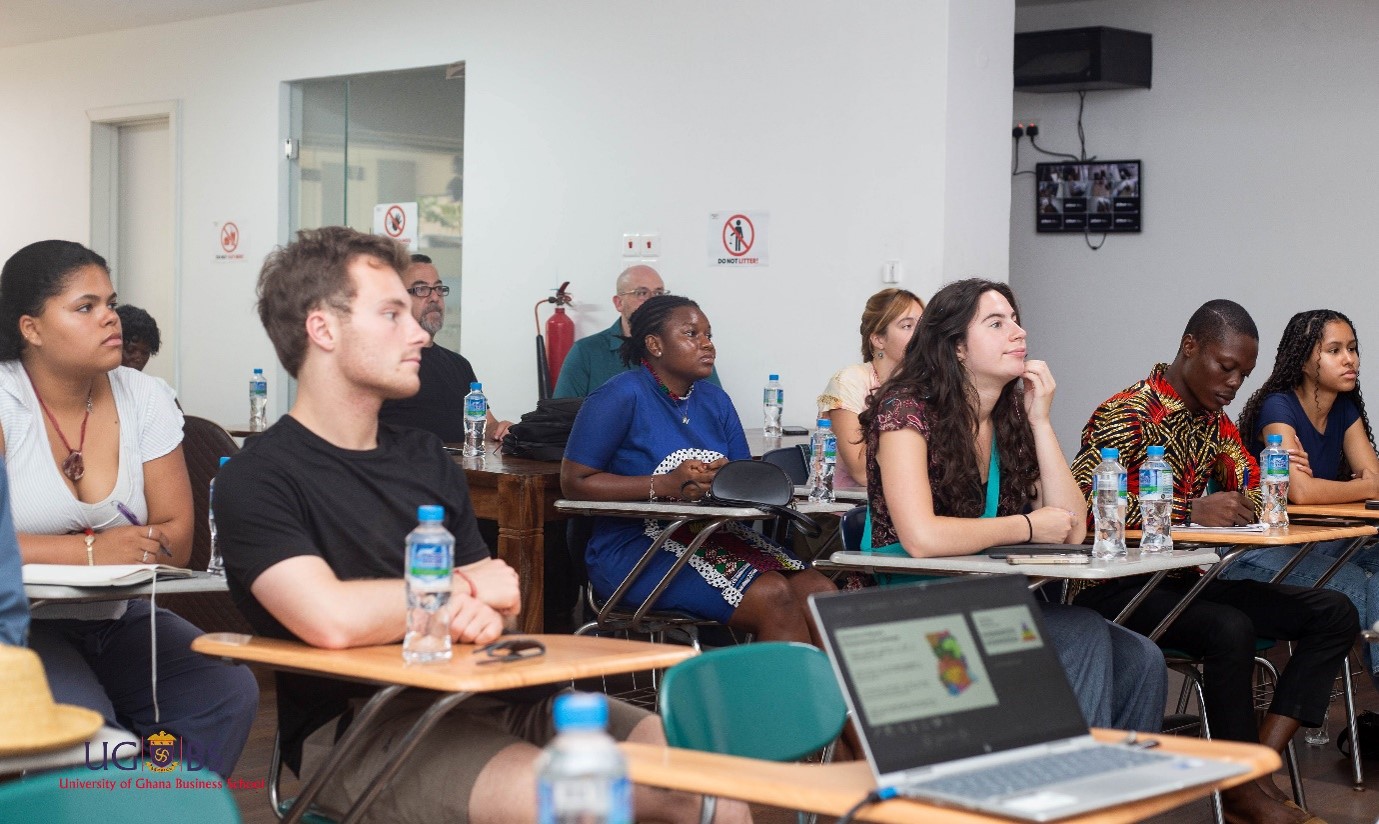
A session at UGBS
At MDF West Africa, participants were welcomed by Mr. Kwaku Owusu Afriyie, the Director. The session was subsequently facilitated by Ms. Rita Emefa Gavor-Senior Consultant, who explained that MDF supports professionals and entrepreneurs globally through management training, enterprise development, programme evaluations and capacity-building initiatives. Participants learned how MDF assists entrepreneurs in strengthening their businesses, building competencies and accessing funding opportunities. They were also introduced to several success stories, while former beneficiaries shared their entrepreneurial journeys and experiences. At Reusable Bags GH, participants engaged with Mr. Bismark Osiakwa- Project Lead, and learned about the organisation’s production processes, business model and tax obligations. They also gained hands-on experience producing bags from recycled clothing materials and flour sacks. Participants subsequently visited Herb Gardens, where they observed the production processes for liquid soaps, antiseptics, fabric softeners and bar soaps. The delegation also toured Treasure Marks, where Mr. McDennis Appau- Creative Director, introduced them to the organisation’s services, including printing, engraving, embroidery, branding and live onsite printing. Discussions centred on business structures, production processes and the challenges faced by social enterprises. Participants additionally experienced the printing process on souvenirs such as bags and pens.
The final day of the programme featured an advanced entrepreneurship workshop facilitated by Mr. Jackson Appiagyei. The session focused on entrepreneurial approaches, business model development, decision-making and innovation under conditions of uncertainty. Participants were introduced to the theories of effectuation and causation, the principles of effectual entrepreneurship and the Business Model Canvas framework. Through team-based activities and presentations, participants applied the concepts learned throughout the programme to practical entrepreneurial scenarios. Reflecting on the experience, Mr. Charles Gyamfi highlighted the immense value of the exchange programme, noting that it had provided participants with a unique opportunity to learn about social entrepreneurship, innovation ecosystems and Ghanaian business practices through direct engagement with entrepreneurs, institutions and communities. The programme concluded with a presentation ceremony during which participants received commemorative packages in recognition of their active participation, commitment and contribution throughout the exchange programme.
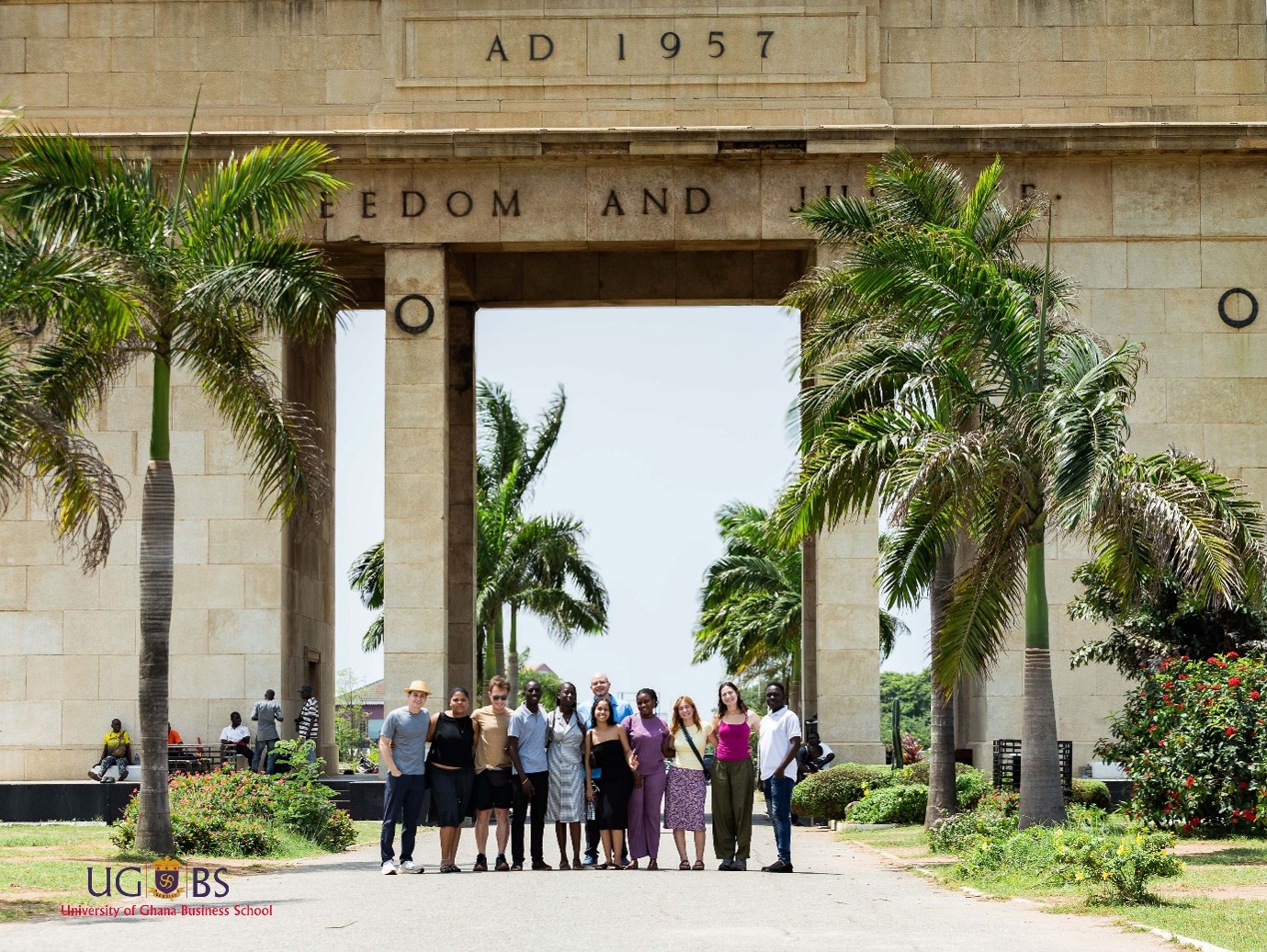
At the Black Star Square in Accra